
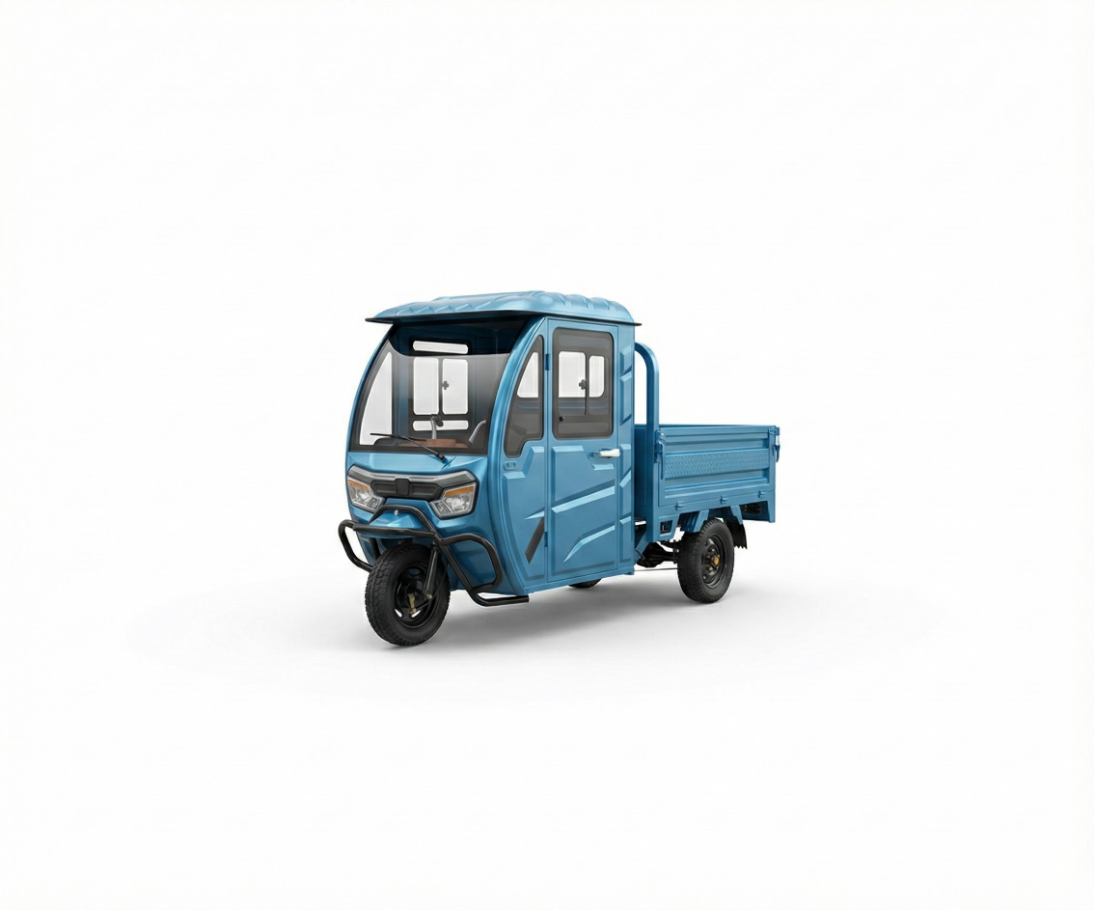

In recent years, electric tricycles (e-trikes) have quietly become a transformative force on streets worldwide. Far from being just a simple mode of transportation, these nimble, eco-friendly vehicles are driving a profound social and economic revolution, particularly in urban centers and rural communities alike.
One of the most significant impacts of electric tricycles is their role in sparking micro-entrepreneurship. Compared to traditional gas-powered vehicles, e-trikes have significantly lower upfront costs and minimal maintenance requirements. Charging a battery costs a fraction of the price of a tank of gas. This low barrier to entry empowers individuals to start their own delivery, logistics, or passenger transport businesses, directly stimulating local economies and providing stable incomes for thousands of families.
Socially, electric tricycles are bridging the gap in the “last-mile” transportation problem. In areas where larger public transit cannot easily reach, e-trikes provide a crucial link, ensuring that the elderly, students, and everyday commuters can travel safely and affordably. By improving mobility, e-trikes enhance access to education, healthcare, and essential community services, fostering a more connected, inclusive, and active society.
Beyond social and economic benefits, the transition from noisy, polluting gas tricycles to quiet, zero-emission electric models immediately improves urban air quality and reduces noise pollution. This not only creates healthier living environments for residents but also aligns perfectly with global sustainability goals, making the e-trike revolution a massive win for both people and the planet
The electric tricycle is a powerful testament to how accessible technology can create waves of positive change. As we look to the future, e-trikes will undoubtedly continue to be more than just vehicles—they are engines of opportunity, sustainability, and community resilience.